The U.S. Dietary Guidelines Have Changed — And the Meaning Goes Far Beyond Food
For decades, the U.S. Dietary Guidelines shaped how the world thought about “healthy eating.”
Low-fat. High-carb. Grains as the foundation. Red meat as something to limit. Full-fat dairy quietly pushed aside.
That story is now changing.
Not with a loud announcement — but with a clear shift in emphasis that reflects what science, clinicians, and lived experience have been pointing to for years.
This isn’t just about food.
It’s about how we understand health, metabolism, and chronic disease.
What Has Actually Changed?
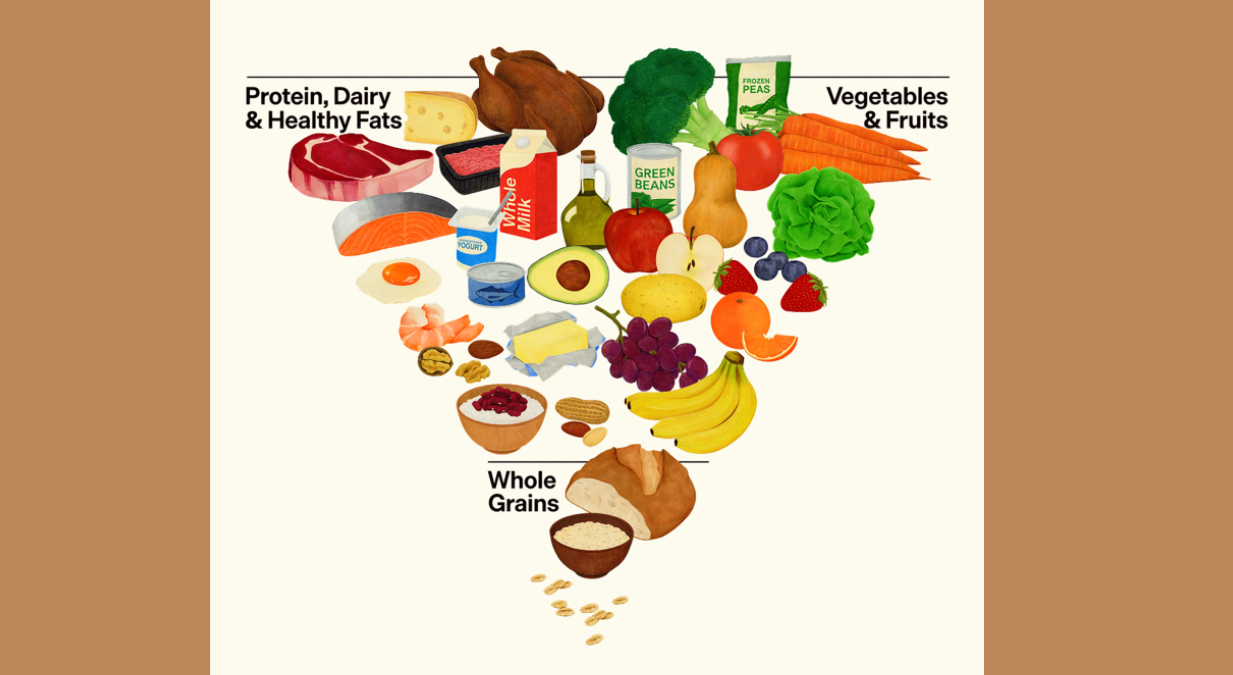
The modern U.S. dietary framework no longer places carbohydrates — especially refined grains — at the unquestioned center of the plate.
Instead, we’re seeing:
- Higher emphasis on protein
- Recognition of nutrient density over calorie counting
- Acceptance of full-fat dairy
- More nuance around red meat (especially unprocessed)
- Less moral judgment of fat
The old “food pyramid” logic — where grains formed the base and fat was the enemy — has quietly lost authority.
The newer guidance reflects a reality we can no longer ignore:
Metabolic health matters more than macronutrient dogma.
Why This Shift Was Inevitable
1. The Low-Fat Experiment Failed
The low-fat era coincided with:
- Rising obesity
- Exploding type 2 diabetes
- Worsening metabolic syndrome
Removing fat didn’t make people healthier — it made food more processed, higher in sugar, and less satisfying.
Satiety disappeared. Hunger increased. Blood sugar became unstable.
The data forced a rethink.
2. Protein Is No Longer Optional
Protein is now recognized as essential for:
- Muscle preservation
- Blood sugar stability
- Hormonal health
- Aging well
This matters deeply in an aging population.
A diet built primarily on refined carbohydrates cannot support muscle mass, especially in older adults — one of the strongest predictors of longevity and independence.
3. Fat Is Not the Villain We Were Told
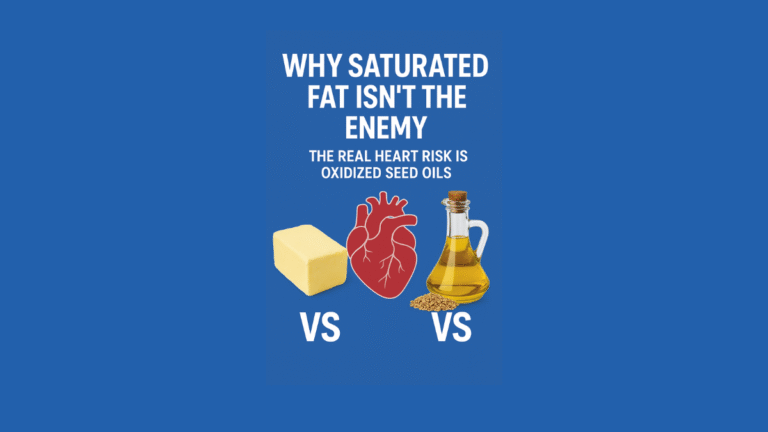
The new guidelines stop short of fully removing saturated-fat caps — but the tone has clearly softened.
Why?
Because:
- Fat improves nutrient absorption
- Fat supports hormones and the nervous system
- Fat increases satiety and reduces overeating
The blanket fear of fat simply doesn’t hold up in real-world outcomes.
4. Red Meat Is Being Re-evaluated — Quietly
Unprocessed red meat is no longer automatically treated as a health hazard.
Instead, the conversation has shifted to:
- Processing
- Context
- Overall dietary pattern
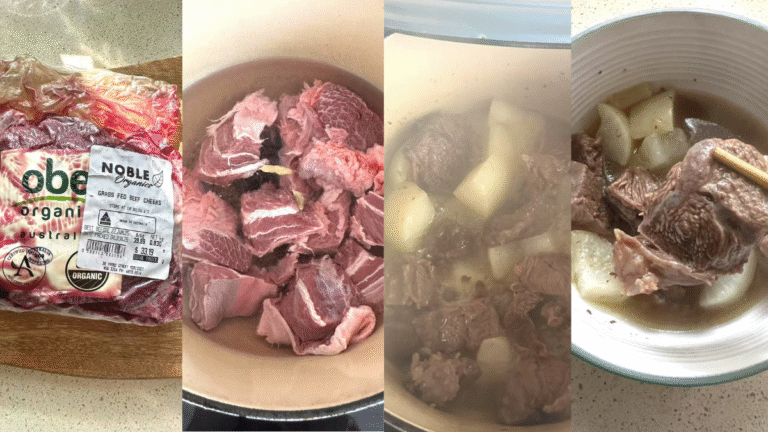
This reflects growing evidence that unprocessed red meat behaves very differently from ultra-processed meat products — and that its nutrient density (iron, zinc, B12, collagen-rich cuts) matters.
What This Means Beyond Nutrition
This change is not just nutritional — it’s philosophical.
It signals a move away from:
- One-size-fits-all advice
- Calorie obsession
- Food fear
And toward:
- Metabolic individuality
- Nutrient density
- Long-term resilience
It also quietly acknowledges something uncomfortable:
Many chronic diseases were not caused by “eating too much fat,” but by decades of dietary misdirection.
The Bigger Picture
This isn’t about swinging to another extreme.
It’s not “carbs bad” or “protein solves everything.”
It’s about restoring biological common sense:
- Humans need adequate protein
- Whole foods outperform processed ones
- Satiety matters
- Blood sugar stability matters
- Aging well matters
The new U.S. dietary direction reflects a slow but meaningful correction.
Not perfection — but progress.
A Question That Still Remains
As the guidelines quietly change, one uncomfortable question lingers:
Who should pay the price for the millions of people who faithfully followed the old advice —
only to end up metabolically sick, inflamed, diabetic, or dependent on lifelong medication?
These weren’t reckless choices.
They were made in trust — in institutions, experts, and official guidance.
When public health advice shifts decades later, the cost isn’t abstract.
It’s carried in damaged bodies, shortened healthspan, and lives that could have unfolded differently.
The science may move forward.
But accountability rarely does.
And that question —
who pays for that loss —
still has no answer.